Trusted Mice Control Halton Hills solutions for residential and commercial properties
Trusted Mice Control Halton Hills solutions for residential and commercial properties
Blog Article
Mice can come in through a opening narrower than a coin and hide inside wall voids, cupboards, attics, or storage areas. A single house mouse may indicate a bigger problem because mice multiply quickly and often remain hidden during the day. Professional Mice Control Halton Hills services help find the source, eliminate active rodents, close access points, and limit the chance of a recurring infestation.
A thorough service covers more than placing mouse traps. It may include a property inspection, entry point assessment, targeted mouse removal, rodent exclusion, droppings cleanup, and a follow-up inspection. The same process can be tailored for a family home, retail site, office, warehouse, or other commercial property. Mosquito Man is one business that may be included when comparing pest control service options.
Why Professional Mice Control Is Important
A mouse infestation can grow without notice. Mice may pass through wall voids, under cabinets, behind appliances, and around stored materials. By the time you notice one mouse, others may already be settled nearby. A professional pest control service finds the source of the activity instead of treating only the visible area.
Mice can cause property damage by gnawing electrical wires, insulation, cardboard, wood, and plastic. Gnawing may damage equipment or create a fire concern if wiring becomes exposed. Nesting materials can obstruct vents, contaminate storage areas, and create unpleasant odours.
Health risks also deserve attention. Mouse droppings, urine, and nesting debris can create a contamination risk, especially near food preparation areas and food storage. Dry droppings can release particles when disturbed. Do not sweep or vacuum suspected contamination before receiving safe cleanup guidance.
Professional pest control combines inspection, removal, sanitation advice, and prevention. A technician can separate current rodent activity from old signs, find hidden access points, and recommend a treatment plan suited to the building. This approach strengthens property protection and reduces the chance that the same problem happens again.

Common signs of Mice in Your Home or Business
Mouse signs often appear before you notice the animal itself. Check quiet areas with little light first, including cabinets, storage rooms, utility spaces, and behind appliances.
- Droppings: Recent droppings are usually dark with a soft texture, while aged droppings become pale and dry. Check along walls, inside drawers, and near food sources.
- Tooth marks: Tiny chew marks may appear on packages, wires, wood trim, insulation, or plastic containers.
- Scratching noises: Movement inside walls, ceilings, or under floors can show rodent activity, especially at night.
- Materials used for nesting: Shredded paper, fabric, cardboard, insulation, and other soft materials may indicate a nest location.
A stale odour, greasy rub marks along walls, or repeated sightings can also help identify the issue. Keep a record of where you see signs. This information helps a technician trace travel routes and focus the property inspection.
How Mice Control Services Work
A qualified service often starts with a property inspection. The technician examines interior and exterior areas, reviews your observations, and looks for entry points around the foundation, roofline, doors, vents, pipes, and utility lines.
The service may include mouse traps set along active travel routes. Traps work best when set according to mouse behaviour rather than placed at random. A technician may also suggest bait stations when suitable. These stations must remain secured and placed where children, pets, and non-target animals are unable to reach them.
Effective mouse removal also depends on prevention. Sealing access points, correcting food storage concerns, and removing nesting conditions can help the treatment work better. Follow-up visits help determine whether activity has stopped and whether new signs have appeared.
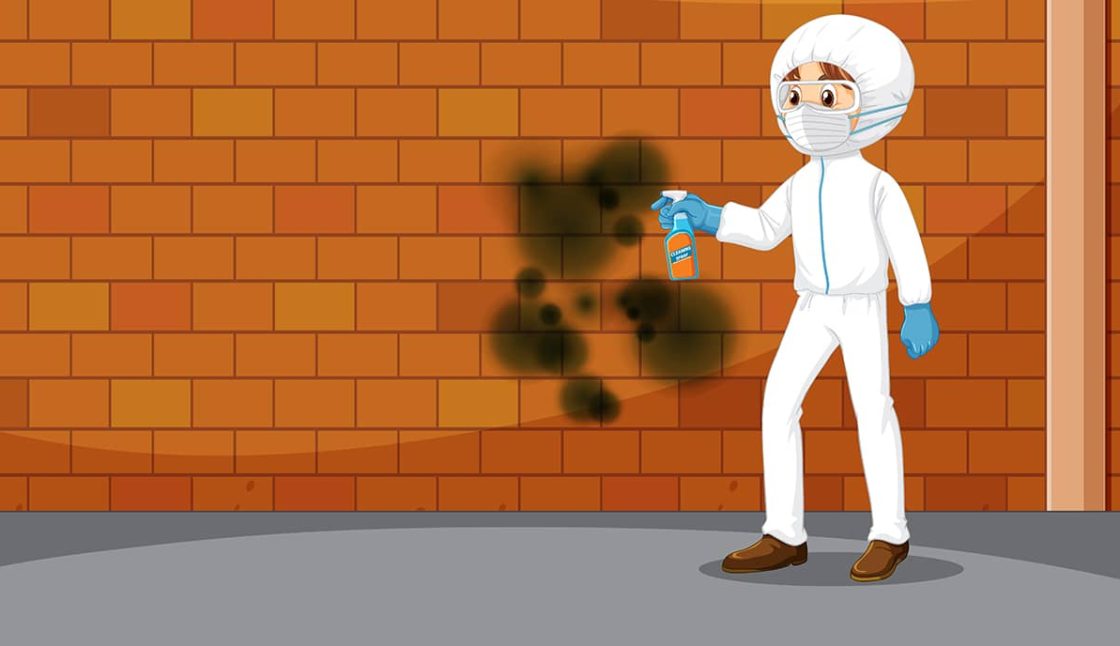
Inspection and Mice Infestation Review
During an inspection, the technician searches for mice activity in rooms, storage areas, mechanical spaces, and exterior zones. They may trace travel routes by following droppings, rub marks, disturbed materials, and gnaw marks.
Nest locations often sit close to warmth, shelter, and food sources. Common areas include behind appliances, inside cabinets, beneath insulation, and near stored boxes. The assessment should also examine wall voids and areas that cannot be opened without damaging the property.
A careful inspection documents active signs, possible access points, sanitation issues, and conditions that may support a recurring infestation. This information guides a practical treatment plan rather than a one-size-fits-all visit.
Targeted Mouse Removal
Targeted mouse removal uses the control method that matches the building and the level of activity. Mechanical traps, including snap traps, may be effective along established travel routes. Live-catch traps may be considered in limited situations, although captured mice still require safe handling and legal release practices.
Baiting stations can support control of activity in suitable locations. They should not be left unprotected in spaces accessible to children or pets. A licensed technician can explain positioning, monitoring, and any safety steps that apply to the treatment.
Humane pest control aims at reducing suffering while protecting people, pets, and property. Integrated pest management supports this goal by combining inspection, sanitation, physical exclusion, monitoring, and targeted control methods. It does not rest on a single product or action.
Sealing Entry Points and Exclusion
Mouse-proofing starts with a search for building gaps. Mice can enter through openings around pipes, vents, doors, foundations, siding, roof edges, and utility connections. A technician may inspect both visible gaps and hidden entry points.
Rodent exclusion may include blocking gaps with materials that withstand chewing, repairing damaged screens, fitting door sweeps, and replacing worn weather stripping. Openings around pipes and cables need careful inspection because they often connect exterior areas with wall voids.
Exclusion services perform best after active mice have been addressed. Sealing an occupied wall void without a plan for removal can confine animals indoors or redirect them to another part of the building. A professional should plan entry point sealing with mouse removal and monitoring.
Mice Control for Residential Properties
Home mouse control must address everyday routines, children, pets, food storage, and places view it now where people sleep. The technician may check the attic, basement, kitchen, garage, closets, and utility spaces. Each area can offer a varied combination of shelter, warmth, and food.
In the kitchen, store safely dry goods and inspect packages for damage. Clean crumbs and grease from hidden areas, then check behind the refrigerator, stove, and dishwasher. In the basement, reduce clutter and keep boxes raised where practical. Sealing gaps around plumbing and foundation walls can limit access.
An attic may contain insulation damage, droppings, and nesting materials. The garage often provides access through a damaged door seal, stored materials, or gaps around services. A professional may recommend nest removal, droppings cleanup, and repairs after the mice have been removed.
Do not handle nests or contaminated materials without suitable protection and guidance. A careful service connects mouse removal with sanitation advice and property protection, so the home is safer after treatment than it was at the first visit.
Rodent Control for Workplaces
Mice in a commercial property can affect staff, visitors, inventory, machinery, and business operations. A mouse appearance in an workplace, store, warehouse, or food service site needs quick attention. Rodents may travel through ceiling spaces, stockrooms, loading areas, and utility corridors.
Food storage needs tight control. Keep products in sealed, durable containers and review incoming goods for damaged packaging. In a warehouse, store goods above floor level where possible and keep aisles clear enough for inspection. These steps make rodent activity easier to detect.
Businesses also need documented action. A service provider may record inspection findings, trap or bait station locations, repairs, sanitation recommendations, and follow-up results. This backs compliance efforts and gives managers a complete record of corrective work.
Commercial treatment should limit disruption. A technician can schedule visits around operating hours, identify sensitive areas, and recommend controls that match the property. Integrated pest management helps reduce reliance on routine chemical applications by addressing access, food sources, harbourage, and monitoring together.
Ways to Stop Mice Infestations
Clean conditions limits the conditions that draw in mice, but it cannot replace building repairs. Wipe up spills quickly, remove crumbs from equipment, and avoid leaving food exposed overnight. Watch areas that are rarely moved or cleaned.
- Keep dry goods, pet food, and birdseed in rigid food containers with tight lids.
- Use garbage management practices that keep bins closed and remove waste on a regular schedule.
- Clear clutter from basements, garages, storage rooms, and utility areas.
- Inspect sealed gaps around doors, pipes, vents, foundations, and roof edges.
- Cut back or clear away materials that touch the building and provide cover for rodents.
Preparing for winter should begin before cold weather drives mice toward warm interiors. Check door sweeps and weather stripping, fix damaged screens, and check access points before seasonal conditions worsen. Store firewood, equipment, and stored materials away from exterior walls where practical.
Keep watching after treatment. New mouse droppings, scratching noises, or fresh gnaw marks may indicate remaining activity. Prompt attention can prevent a small problem from becoming a larger infestation.
Selecting a Mice Control Provider
Ask whether the service is performed by a licensed pest control technician. The provider should review the inspection findings, proposed methods, safety steps, and actions you need to take before and after treatment.
A useful treatment plan should identify the areas inspected, signs found, control measures selected, exclusion work required, and expected monitoring schedule. Be cautious of vague promises that do not explain how the provider will locate and address the source.
Ask about a service warranty and what it covers. Some warranties include follow-up visits if activity continues, while others cover only certain services or time periods. Get the conditions in writing so you understand what happens after the initial visit.
Transparent pricing should separate inspection, mouse removal, exclusion, sanitation, and follow-up work where applicable. The final cost can depend on building size, infestation level, access conditions, repair needs, and the number of visits required. A straightforward quote helps you compare services fairly.
Common Questions About Mice Control
How can I tell if I have mice in my Halton Hills home?
Look for mouse droppings, gnaw marks, scratching noises, nesting materials, greasy rub marks, and damaged food packaging. Fresh signs near walls, cupboards, appliances, or storage areas suggest ongoing activity. A professional pest inspection can confirm the problem and locate travel routes, nests, and access points.
What attracts mice to homes in Halton Hills?
Mice seek food, water, shelter, and warmth. Exposed food, overflowing garbage, clutter, damaged weather stripping, and small building gaps can all attract or support them. Poor food storage and easy access to wall voids may allow a house mouse to remain hidden for a long time.
How do I seal entry points to keep mice out?
Inspect gaps around doors, pipes, vents, foundations, roof edges, utility lines, and garage doors. Use durable materials suited to the opening, install door sweeps, repair weather stripping, and maintain sealed gaps. A professional rodent exclusion service can find concealed access points and coordinate repairs with mouse removal.
Are mouse traps safe around children and pets?
Mouse traps and snap traps can be unsafe if children or pets can reach them. Place traps only in secure locations and observe the manufacturer’s instructions. Bait stations also require secure placement and regular monitoring. A licensed technician can recommend safer positioning based on the building and household risks.
When should I call a professional mice control service?
Call when you see repeated signs, hear activity inside walls, find a nest, notice damaged wiring, or continue finding droppings after basic cleaning. Professional help is also appropriate for businesses, large infestations, contaminated areas, and mice that come back after do-it-yourself treatment.
What price should I expect for mice control in Halton Hills?
Mouse control cost depends on the building size, level of activity, number of entry points, treatment methods, exclusion work, sanitation needs, and follow-up visits. Request a written assessment that separates the inspection and treatment costs from optional repairs or recurring service.
Can mice infestations be prevented during winter?
Yes. Inspect and repair access points before cold weather, maintain door sweeps and weather stripping, store food in sealed containers, manage garbage, and reduce clutter. Winter prevention works best when you combine proper sanitation, food storage, building maintenance, and regular monitoring.
How quickly can mice control treatments work?
Some activity may decline within several days after properly placed traps or bait stations, but the full treatment timeline varies. A larger infestation, hidden nests, difficult access, or uncompleted exclusion work can extend the process. Follow-up inspection helps confirm whether mouse activity has stopped and whether further action is needed.
Report this page